BROJ
Synopsis

A Feature Film About Genius, Displacement, and Identity
Broj /broy/
- n. Number; a mathematical value; a figure used in a calculation.
- n. A Statistic; one of 28,000 children (Deca Begalci) evacuated during the Greek Civil War.
- v. To Count; the act of proving one's existence when the world has crossed you out.Based on the untold story of 28,000 Macedonian child refugees, 80 years ago.
JOIN THE TEAM
PRODUCTION OPPORTUNITIES
A Feature Film Written by Stefo Milankov
A displaced orphan, Niki must face obsession, addiction, and a shattered identity to discover if he’s a math prodigy or a Macedonian outcast.
Based on the untold story of 28,000 Macedonian child refugees, 80 years ago.
Synopsis
Long Story Short
Macedonian Vectors is a coming-of-age Cold War odyssey inspired by the real experiences of the creator’s father and the 28,000 Macedonian children displaced during the Greek Civil War.
Born without a known last name and raised inside the Soviet-era Child Refugee Orphanage System, young Niki is uprooted again when his Polish orphanage closes in 1963. Sent to a harsher facility in Zgorzelec, he confronts powerful bullies, drug economies, forbidden music, and the confusing spark of first love — all while his neurodivergent genius in mathematics begins to emerge.
What begins as a boy’s struggle for belonging becomes a dangerous journey through black markets, espionage, ciphers, casinos, and the violent politics of the Eastern Bloc, leading to an earthquake, a revelation, and a final moment of moral clarity.
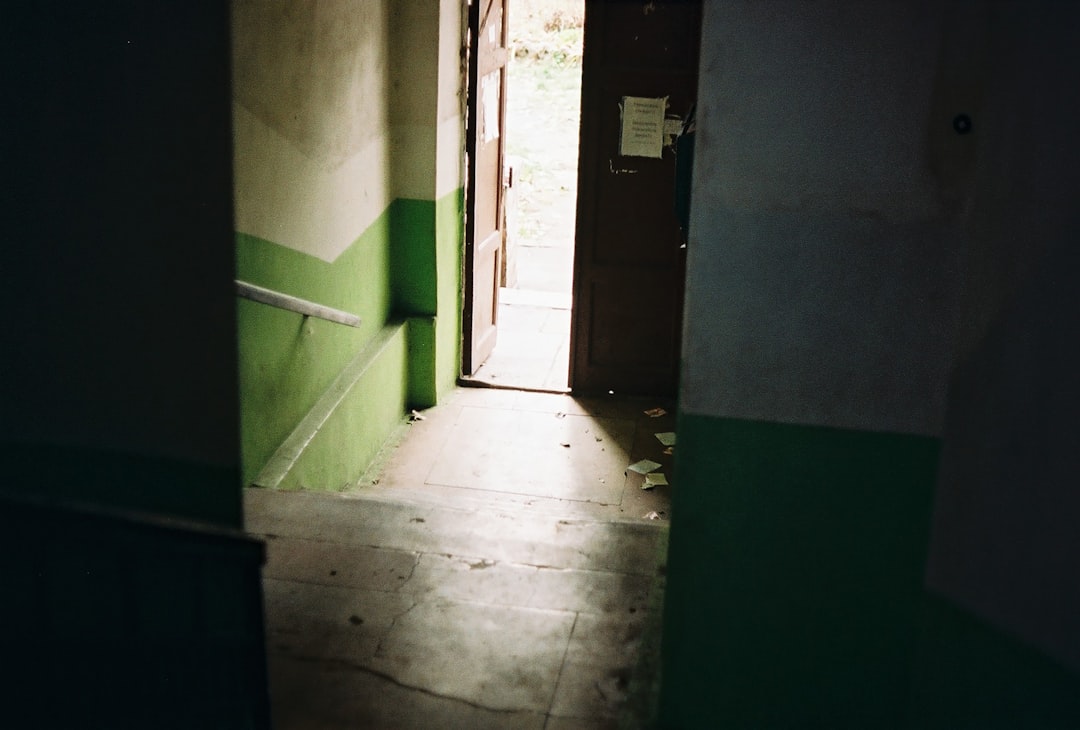
Themes
Visual Moodboard
Cast of Characters
Macedonian Vectors People
Niki
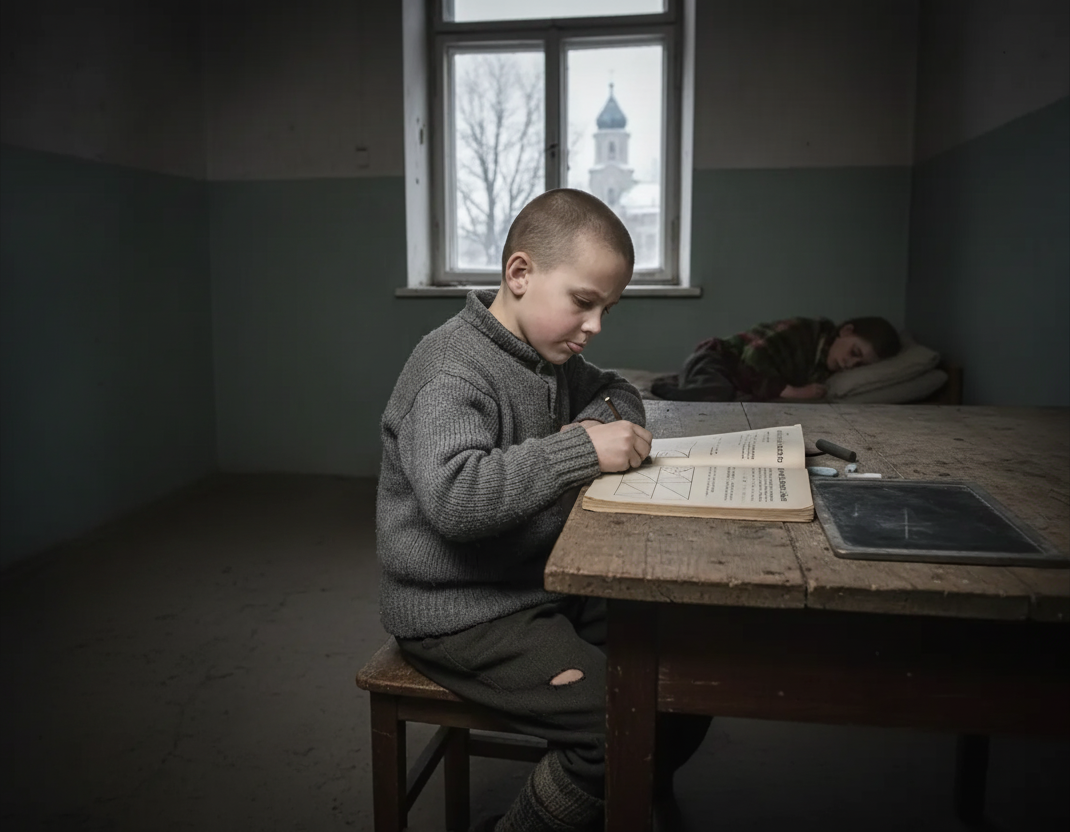
A genius but traumatized Macedonian teen displaced twice by war. Neurodivergent, obsessive, awkward, struggling to understand his identity.

Damir
Blind, musical, gentle. Niki’s grounding force and emotional mirror. Holds fragments of Niki’s forgotten past.

MAGDA
A magnetic young woman who runs the orphanage’s Kompot trade. Smart, seductive, and dangerous — yet deeply human.

Yuri
A Soviet–Polish official. Charismatic, calculating, fatherly when beneficial. Sees Niki as both a son and a tool.
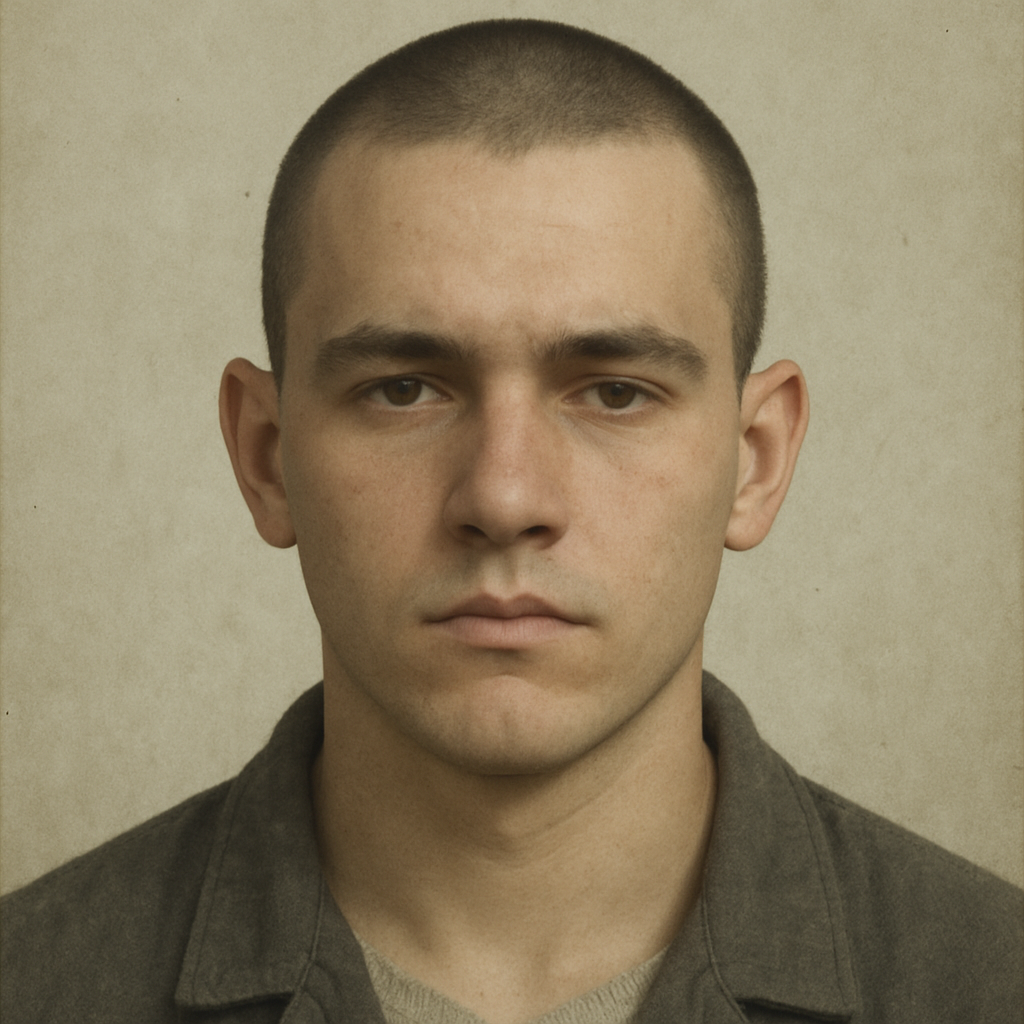
APOLLO
A bully shaped by violence, fear, and insecurity. Brutal on the outside, fractured on the inside.
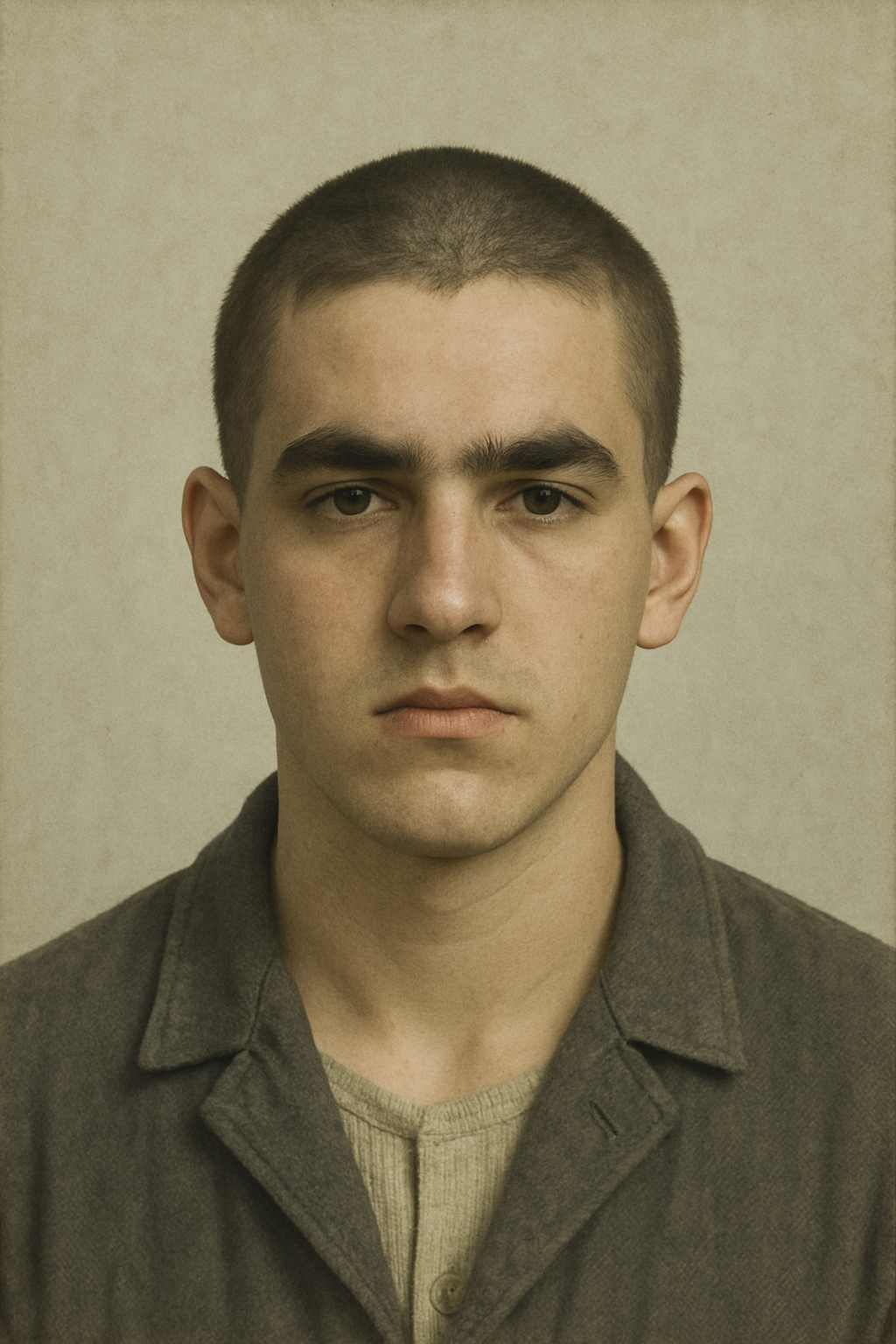
ELIAS
Apollo’s conflicted shadow — torn between loyalty and morality. Knows the past Niki can’t remember.
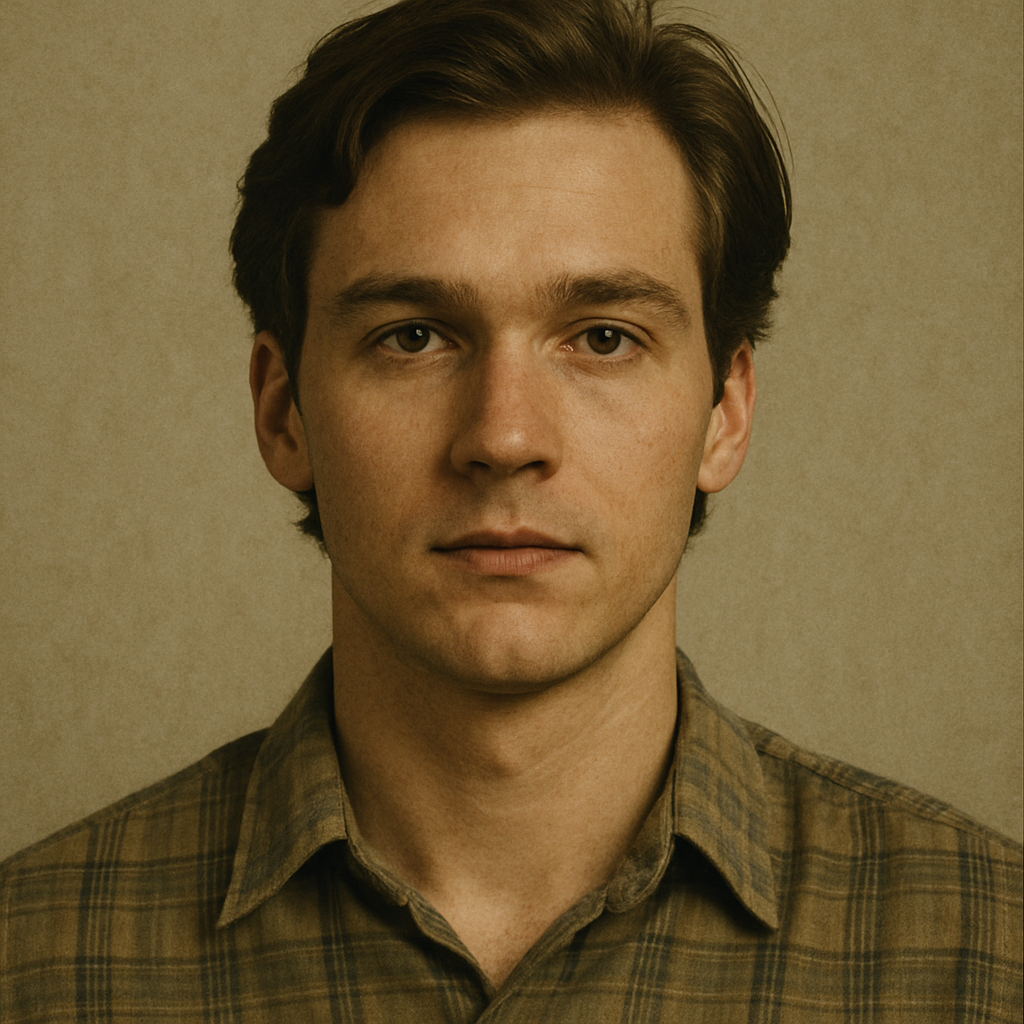
MARKO
A chemist, an escape artist, a friend who understands Niki’s brilliance — but also uses him.

GEORGIE
Young American spy. Naive but stubornly ambitious charming, dangerous in his good intentions.
Director's/Writters Vision
Macedonian Vectors is a film about a name — the loss of it, the theft of it, and the lifelong journey to reclaim it.
Growing up with stories of displaced Macedonian children, I learned that identity is not simply inherited; it is negotiated, stolen, erased, repurposed, and sometimes violently reclaimed. These children survived not only war, but an entire bureaucracy engineered to strip them of language, culture, and memory.
This film does not attempt to recreate history — it attempts to restore humanity to a generation erased from records.
Niki’s mind is mathematical, but his heart is fractured. Through him, we see borders shift, alliances break, addictions form, and genius emerge in the least forgiving environment. His life becomes a map of vectors — each pointing toward a self that was always forbidden.
As Niki tries to solve the ciphers of governments, casinos, and childhood trauma, he realizes the greatest code he must break is his own identity.
This is a story of survival, not as a heroic act, but as a reclamation of truth in a world built on lies.

History
The Forgotten Displacement
Understanding the historical context of Macedonian displacement in the shadow of the Cold War.
Historical Context
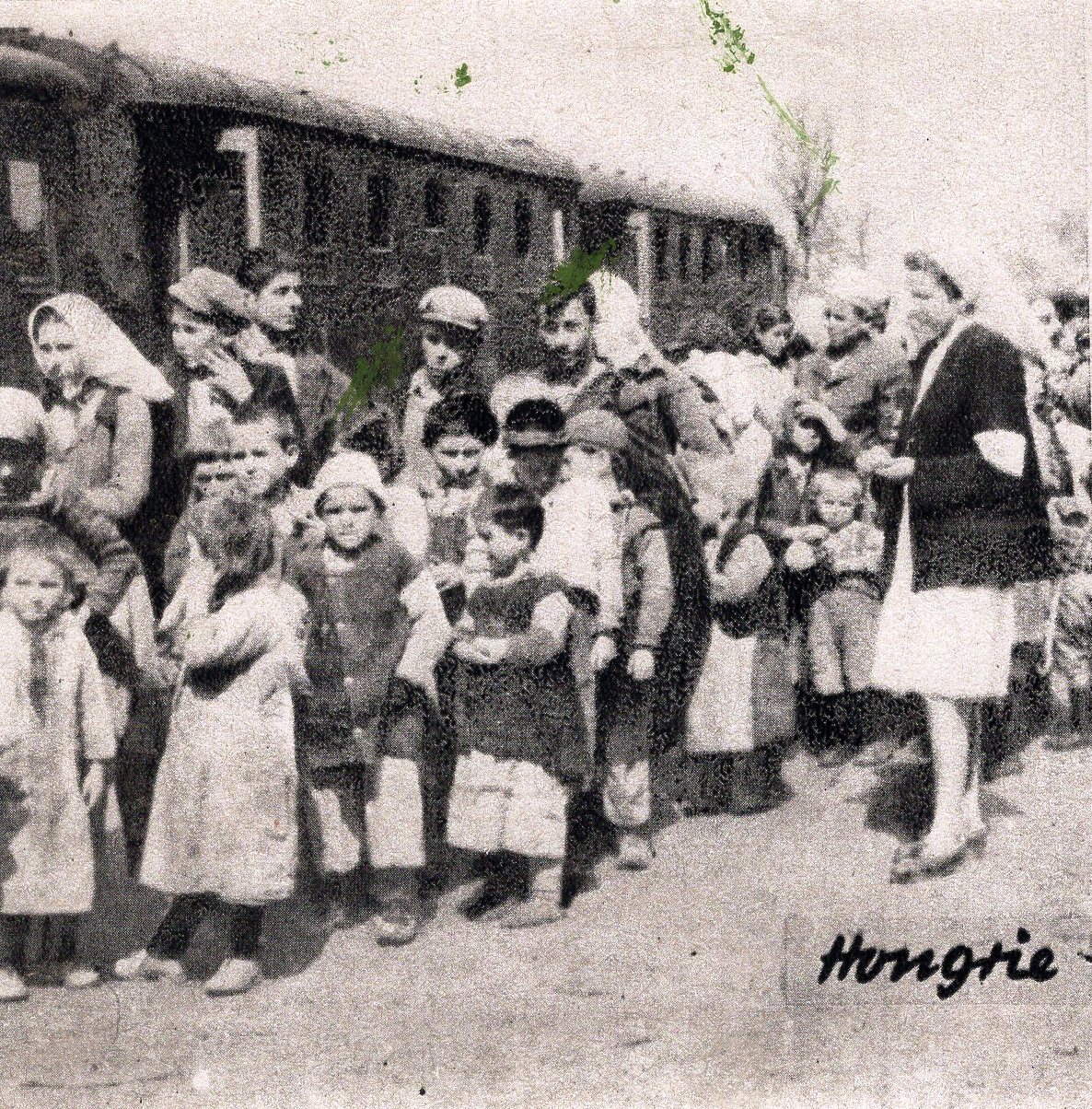
Between 1946 and 1949, the Greek Civil War forced over 28,000 Macedonian children to flee across borders into Communist Eastern Bloc countries. Many were separated from parents, renamed, reclassified, and absorbed into socialist orphanage systems.

TEAM
Production Team
The creative minds bringing this story to life

Stefo Milankov
Director / Writer
Stefo (Steve) Milankov, embarking in Film School in New York City, is a veteran of writing and stewardship from his 25-year career in Corporate Law. An on-going investor in Broadway Theater, Mr. Milankov is building on his storytelling experience in the medium of film through historical fiction.

Daniel Diaz
Creative PRoducer
Daniel (Danipotter) a Colombian creative producer, brings a decade of storytelling vision to his transition into filmmaking. Drawing from years of narrative work across interdisciplinary creative fields, he now focuses on developing historically rooted, character-driven cinema. Macedonian Vectors marks his debut project as a producer of emotionally resonant historical fiction.
Join Our Journey
Be the first to receive updates on casting, production, behind-the-scenes, and festival screenings.
We respect your privacy. No spam — ever.
Follow the journey as we bring this film to life — from casting to festival premieres.


Borj
A feature film about genius, displacement, and identity in Cold War Eastern Europe.
Quick Links
Synopsis
Characters
Team
Join Our Journey
Resources
Press Kit Download
Contact: contact@borjfilm.com
© 2025 Square Root Milanvo Film & Theater All rights reserved.
BROJ
Contact
Investors
A Feature Film About Genius, Displacement, and Identity
Broj /broy/
- n. Number; a mathematical value; a figure used in a calculation.
- n. A Statistic; one of 28,000 children (Deca Begalci) evacuated during the Greek Civil War.
- v. To Count; the act of proving one's existence when the world has crossed you out.Based on the untold story of 28,000 Macedonian child refugees, 80 years ago.
JOIN THE TEAM
PRODUCTION OPPORTUNITIES
A Feature Film Written by Stefo Milankov
A displaced orphan, Niki must face obsession, addiction, and a shattered identity to discover if he’s a math prodigy or a Macedonian outcast.
Based on the untold story of 28,000 Macedonian child refugees, 80 years ago.
Synopsis
Long Story Short
Macedonian Vectors is a coming-of-age Cold War odyssey inspired by the real experiences of the creator’s father and the 28,000 Macedonian children displaced during the Greek Civil War.
Born without a known last name and raised inside the Soviet-era Child Refugee Orphanage System, young Niki is uprooted again when his Polish orphanage closes in 1963. Sent to a harsher facility in Zgorzelec, he confronts powerful bullies, drug economies, forbidden music, and the confusing spark of first love — all while his neurodivergent genius in mathematics begins to emerge.
What begins as a boy’s struggle for belonging becomes a dangerous journey through black markets, espionage, ciphers, casinos, and the violent politics of the Eastern Bloc, leading to an earthquake, a revelation, and a final moment of moral clarity.
Full Synopsis
Macedonian Vectors follows 15-year-old Niki — a boy with no official surname, no nation willing to claim him, and no memory of the parents he lost in the chaos of the Greek Civil War. Like thousands of Macedonian children, he is swept into the Socialist States’ Child Refugee Orphanage System, where survival depends on obedience, secrecy, and silence.
After rising academically in his orphanage in Gdańsk, Poland, Niki is displaced a second time when the Soviet system collapses financially. In the summer of 1963, he is sent to the Zgorzelec Home for Boys — a place where teenage boys work poppy fields, make Kompot (a crude heroin), and live under the shadow of Yuri, the state official who controls the black market.
Here Niki reunites with his blind friend Damir and encounters both danger and desire: Apollo and Elias, his violent Greek bullies; Marko, the lone German orphan planning an escape; and Magda, a magnetic and dangerous young woman who runs Kompot distribution.
When a poppy-picking contest reveals Niki’s mathematical brilliance, he becomes a target. A failed escape attempt leads to the burning of the poppy fields, triggering a chain of events that takes Niki into West Berlin — a neon world of American music, Playboy magazines, Motown soundscapes, and overwhelming sensory freedom.
His math genius explodes when he discovers card-counting, but addiction to Kompot — taken to control his tremors — blurs his senses and nearly destroys him. A jealous breakdown in a West Berlin casino forces him back into the Eastern Bloc under Yuri’s control.
Realizing the financial potential of Niki’s mind, Yuri recruits him to crack military codes for the Warsaw Signals Directorate. As Niki deciphers encrypted communications, memories of his village in Aegean Macedonia begin to return — but so does the danger of being useful to the wrong side of the Cold War.
After clashes with Magda, a sexual encounter narrowly avoided, and an attempted betrayal by former mentors, Niki flees across Warsaw, winding up in the arms of an American spy who sees him as a valuable asset.
But destiny pulls him toward Bucharest, where the first Socialist Math Olympiad is about to begin. Borrowing Yuri’s diplomatic car and stealing a Yugoslav badge, Niki races toward Romania with Magda and Damir, determined to prove himself and to piece together the fragments of his identity.
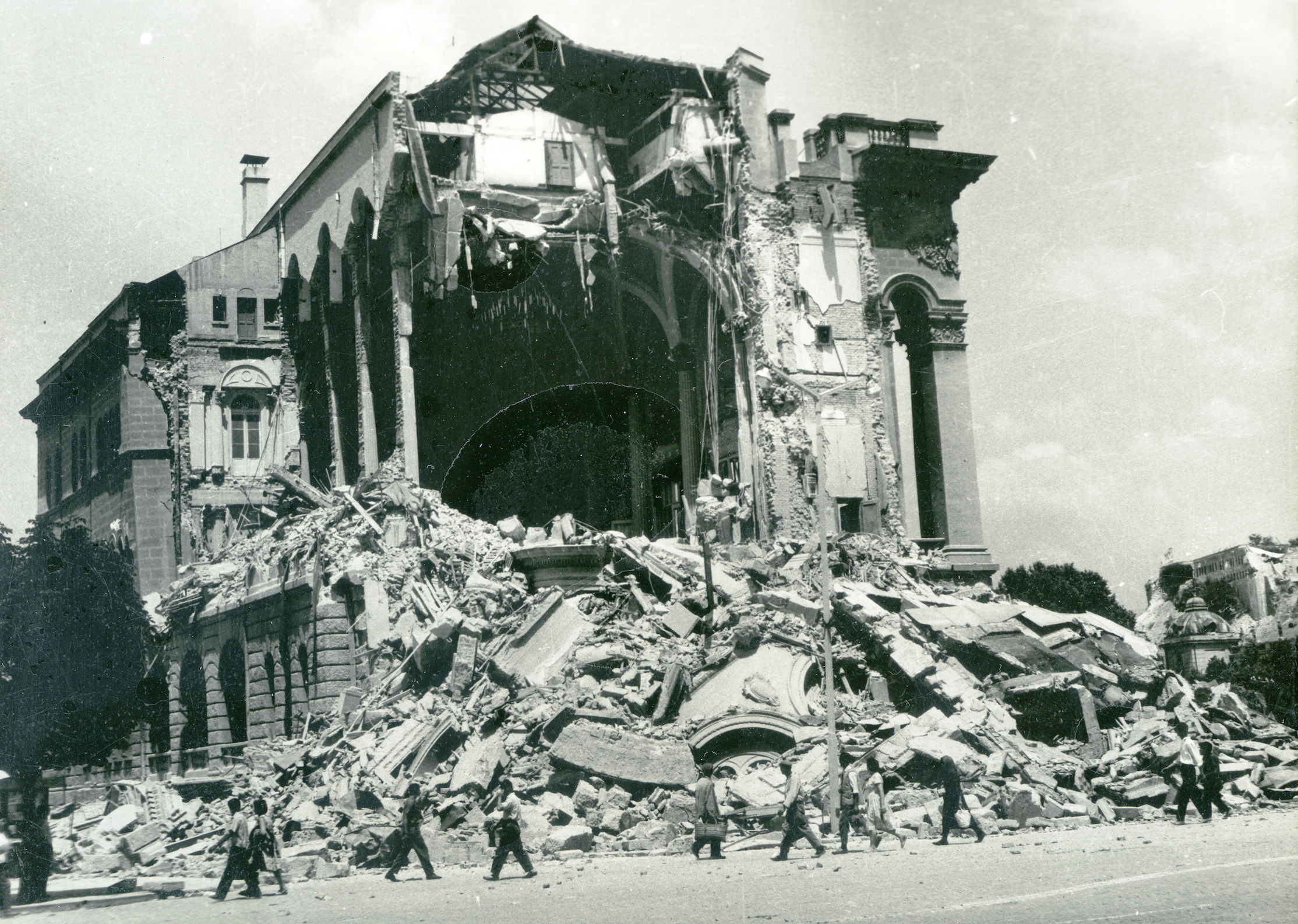
Before Niki can reconcile who he truly is, the devastating 1963 Skopje earthquake strikes. Trapped in the ruins of a Macedonian prison, Niki finally learns the truth about his father, his past, and the power of survival.
Only then can he make his final choice — not between genius or outcast, but between the child he was forced to be and the young man he chooses to become.
Themes
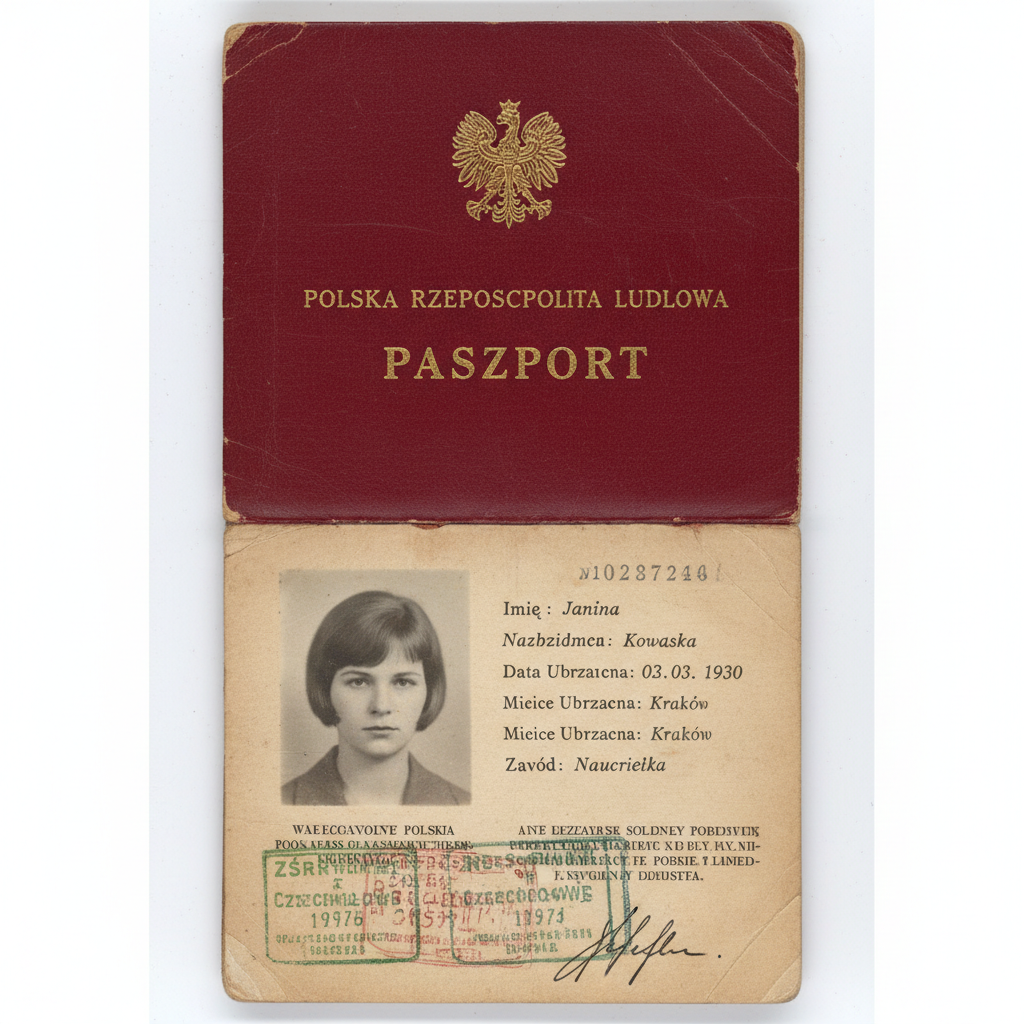
Identity
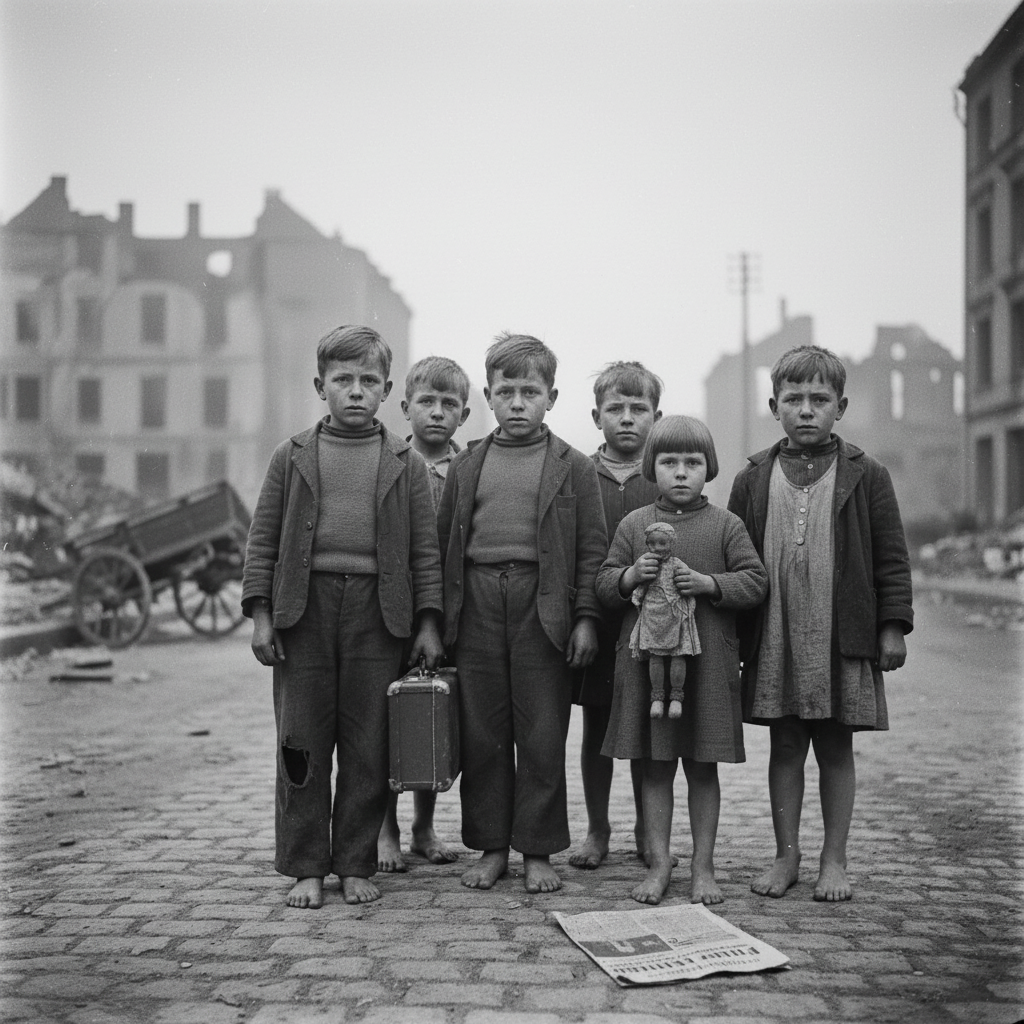
Displacement

Genius
War & Childhood
Visual Moodboard
Cast of Characters
Macedonian Vectors People
Niki
A genius but traumatized Macedonian teen displaced twice by war. Neurodivergent, obsessive, awkward, struggling to understand his identity.
Damir
Blind, musical, gentle. Niki’s grounding force and emotional mirror. Holds fragments of Niki’s forgotten past.
MAGDA
A magnetic young woman who runs the orphanage’s Kompot trade. Smart, seductive, and dangerous — yet deeply human.
Yuri
A Soviet–Polish official. Charismatic, calculating, fatherly when beneficial. Sees Niki as both a son and a tool.
APOLLO
A bully shaped by violence, fear, and insecurity. Brutal on the outside, fractured on the inside.
ELIAS
Apollo’s conflicted shadow — torn between loyalty and morality. Knows the past Niki can’t remember.
MARKO
A chemist, an escape artist, a friend who understands Niki’s brilliance — but also uses him.
GEORGIE
Young American spy. Naive but stubornly ambitious charming, dangerous in his good intentions.
Director's/Writters Vision
Macedonian Vectors is a film about a name — the loss of it, the theft of it, and the lifelong journey to reclaim it.
Growing up with stories of displaced Macedonian children, I learned that identity is not simply inherited; it is negotiated, stolen, erased, repurposed, and sometimes violently reclaimed. These children survived not only war, but an entire bureaucracy engineered to strip them of language, culture, and memory.
This film does not attempt to recreate history — it attempts to restore humanity to a generation erased from records.
Niki’s mind is mathematical, but his heart is fractured. Through him, we see borders shift, alliances break, addictions form, and genius emerge in the least forgiving environment. His life becomes a map of vectors — each pointing toward a self that was always forbidden.
As Niki tries to solve the ciphers of governments, casinos, and childhood trauma, he realizes the greatest code he must break is his own identity.
This is a story of survival, not as a heroic act, but as a reclamation of truth in a world built on lies.
History
The Forgotten Displacement
Understanding the historical context of Macedonian displacement in the shadow of the Cold War.
Historical Context
Between 1946 and 1949, the Greek Civil War forced over 28,000 Macedonian children to flee across borders into Communist Eastern Bloc countries. Many were separated from parents, renamed, reclassified, and absorbed into socialist orphanage systems.
Timeline
1946-1949
Greek Civil War & The Child Refugees
28,000 Macedonian children are taken or forced to flee. Names erased. Identities rewritten. This is where Niki’s story begins — a boy without a last name.
1963
System Collapse & Second Displacement
The Soviet refugee program runs out of money. Children are transferred, abandoned, or reclassified. Niki is displaced again — sent to Zgorzelec, a world of poppies, black markets, and survival.
1950s
Cold War Tensions Escalate
Refugee children are raised across the Eastern Bloc.Educated, disciplined - but never truly “from” anywhere.Identity becomes an administrative decision.
1967
Cold War Tensions Escalate
Another political storm approaches Greece.The forces that erased Niki’s identity are still at work.He cannot stop history — but he can choose who he becomes.
TEAM
Production Team
The creative minds bringing this story to life
Stefo Milankov
Director / Writer
Stefo (Steve) Milankov, embarking in Film School in New York City, is a veteran of writing and stewardship from his 25-year career in Corporate Law. An on-going investor in Broadway Theater, Mr. Milankov is building on his storytelling experience in the medium of film through historical fiction.
Daniel Diaz
Creative PRoducer
Daniel (Danipotter) a Colombian creative producer, brings a decade of storytelling vision to his transition into filmmaking. Drawing from years of narrative work across interdisciplinary creative fields, he now focuses on developing historically rooted, character-driven cinema. Macedonian Vectors marks his debut project as a producer of emotionally resonant historical fiction.
Join Our Journey
Be the first to receive updates on casting, production, behind-the-scenes, and festival screenings.
We respect your privacy. No spam — ever.
Follow the journey as we bring this film to life — from casting to festival premieres.
Borj
A feature film about genius, displacement, and identity in Cold War Eastern Europe.
Quick Links
Synopsis
Characters
Team
Join Our Journey
Resources
Press Kit Download
Contact: contact@borjfilm.com
© 2025 Square Root Milanvo Film & Theater All rights reserved.
BROJ
Investors
Contact
A Feature Film About Genius, Displacement, and Identity
Broj /broy/
- n. Number; a mathematical value; a figure used in a calculation.
- n. A Statistic; one of 28,000 children (Deca Begalci) evacuated during the Greek Civil War.
- v. To Count; the act of proving one's existence when the world has crossed you out.Based on the untold story of 28,000 Macedonian child refugees, 80 years ago.
JOIN THE TEAM
PRODUCTION OPPORTUNITIES
A Feature Film Written by Stefo Milankov
Niki, a displaced orphan, must face obsession, addiction, and a shattered identity to discover if he’s a math prodigy or a Macedonian outcast.
Based on the untold story of 28,000 Macedonian child refugees, 80 years ago.
Synopsis
Long Story Short
Born without a known last name in post-war Macedonia and raised inside the Soviet-era Child Refugee Orphanage System, young Niki is uprooted when his Polish orphanage closes in 1963. Sent to a harsher facility in Zgorzelec, he navigates powerful bullies, drug economies, forbidden music, and the confusing spark of first love — all while his neurodivergent genius in mathematics begins to emerge.
Niki’s story is a coming-of-age Cold War odyssey inspired by the real experiences of the creator’s father as one of 28,000 Macedonian children displaced during the Greek Civil War.
What begins as a boy’s struggle for belonging becomes a dangerous journey through black markets, espionage, ciphers, casinos, and the violent politics of the Eastern Bloc, leading to an huge shake-up, a revelation, and a final moment of moral clarity.
Full Synopsis
Macedonian Vectors follows 15-year-old Niki — a boy with no official surname, no nation willing to claim him, and no memory of the parents he lost in the chaos of the Greek Civil War. Like thousands of Macedonian children, he is swept into the Socialist States’ Child Refugee Orphanage System, where survival depends on obedience, secrecy, and silence.
After rising academically in his orphanage in Gdańsk, Poland, Niki is displaced a second time when the Soviet system collapses financially. In the summer of 1963, he is sent to the Zgorzelec Home for Boys — a place where teenage boys work poppy fields, make Kompot (a crude heroin), and live under the shadow of Yuri, the state official who controls the black market.
Here Niki reunites with his blind friend Damir and encounters both danger and desire: Apollo and Elias, his violent Greek bullies; Marko, the lone German orphan planning an escape; and Magda, a magnetic and dangerous young woman who runs Kompot distribution.
When a poppy-picking contest reveals Niki’s mathematical brilliance, he becomes a target. A failed escape attempt leads to the burning of the poppy fields, triggering a chain of events that takes Niki into West Berlin — a neon world of American music, Playboy magazines, Motown soundscapes, and overwhelming sensory freedom.
His math genius explodes when he discovers card-counting, but addiction to Kompot — taken to control his tremors — blurs his senses and nearly destroys him. A jealous breakdown in a West Berlin casino forces him back into the Eastern Bloc under Yuri’s control.
Realizing the financial potential of Niki’s mind, Yuri recruits him to crack military codes for the Warsaw Signals Directorate. As Niki deciphers encrypted communications, memories of his village in Aegean Macedonia begin to return — but so does the danger of being useful to the wrong side of the Cold War.
After clashes with Magda, a sexual encounter narrowly avoided, and an attempted betrayal by former mentors, Niki flees across Warsaw, winding up in the arms of an American spy who sees him as a valuable asset.
But destiny pulls him toward Bucharest, where the first Socialist Math Olympiad is about to begin. Borrowing Yuri’s diplomatic car and stealing a Yugoslav badge, Niki races toward Romania with Magda and Damir, determined to prove himself and to piece together the fragments of his identity.
Before Niki can reconcile who he truly is, the devastating 1963 Skopje earthquake strikes. Trapped in the ruins of a Macedonian prison, Niki finally learns the truth about his father, his past, and the power of survival.
Only then can he make his final choice — not between genius or outcast, but between the child he was forced to be and the young man he chooses to become.
Themes
Identity
Displacement
Genius
War & Childhood
Visual Moodboard
Cast of Characters
Macedonian Vectors People
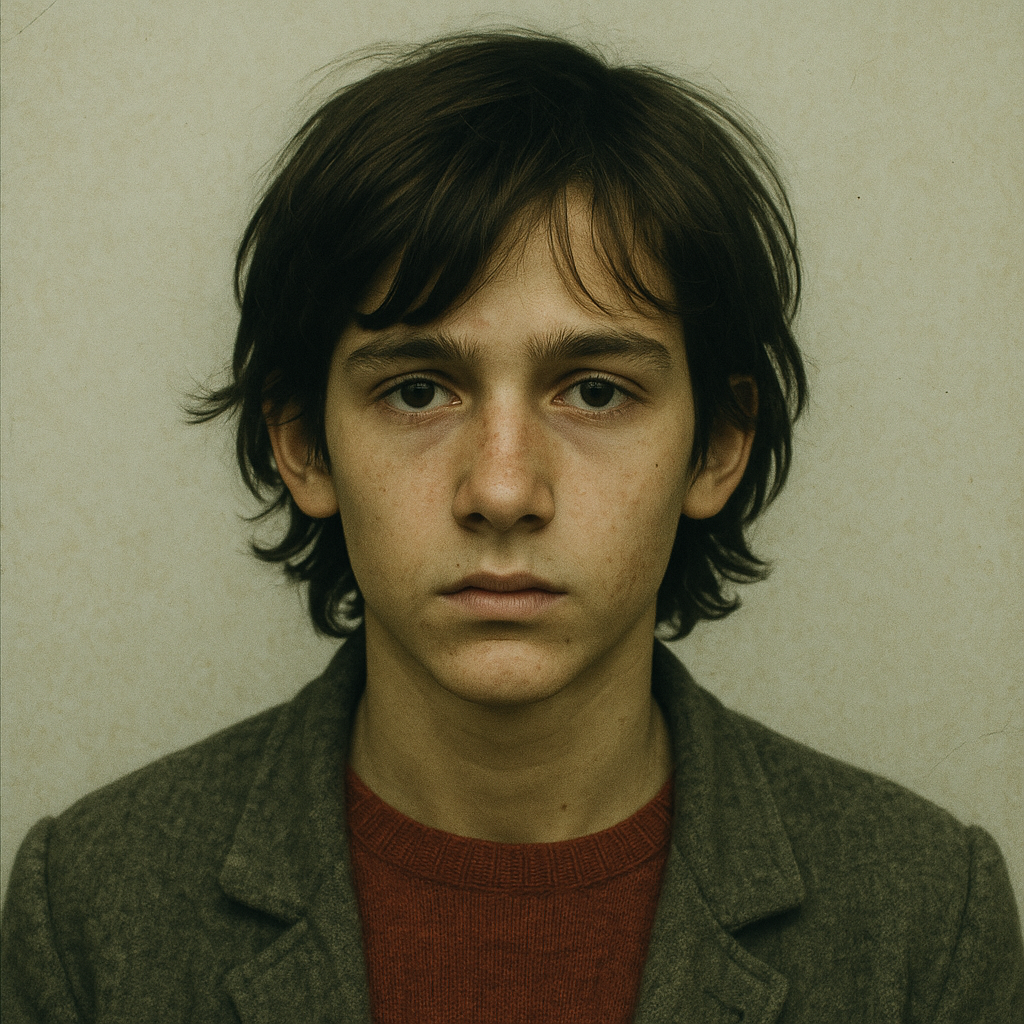
Niki
A genius but traumatized Macedonian teen displaced twice by war. Neurodivergent, obsessive, awkward, struggling to understand his identity.
Damir
Blind, musical, gentle. Niki’s grounding force and emotional mirror. Holds fragments of Niki’s forgotten past.

MAGDA
A magnetic young woman who runs the orphanage’s Kompot trade. Smart, seductive, and dangerous — yet deeply human.
Yuri
A Soviet–Polish official. Charismatic, calculating, fatherly when beneficial. Sees Niki as both a son and a tool.
APOLLO
A bully shaped by violence, fear, and insecurity. Brutal on the outside, fractured on the inside.
ELIAS
Apollo’s conflicted shadow — torn between loyalty and morality. Knows the past Niki can’t remember.
MARKO
A chemist, an escape artist, a friend who understands Niki’s brilliance — but also uses him.
GEORGIE
Young American spy. Naive but stubbornly ambitious, charming, dangerous in his good intentions.
Director’s/Writer’s Vision
Macedonian Vectors is a film about a name — the loss of it, the theft of it, and the lifelong journey to reclaim it.
Growing up with stories of displaced Macedonian children, I learned that identity is not simply inherited; it is negotiated, stolen, erased, repurposed, and sometimes violently reclaimed. These children survived not only war, but an entire bureaucracy engineered to strip them of language, culture, and memory.
This film does not attempt to recreate history — it attempts to restore humanity to a generation erased from records.
Niki’s mind is mathematical, but his heart is fractured. Through him, we see borders shift, alliances break, addictions form, and genius emerge in the least forgiving environment. His life becomes a map of vectors — each pointing toward a self that was always forbidden.
As Niki tries to solve the ciphers of governments, casinos, and childhood trauma, he realizes the greatest code he must break is his own identity.
This is a story of survival, not as a heroic act, but as a reclamation of truth in a world built on lies.
History
The Forgotten Displacement
Understanding the historical context of Macedonian displacement in the shadow of the Cold War.
Historical Context
Between 1946 and 1949, the Greek Civil War forced over 28,000 Macedonian children to flee across borders into Communist Eastern Bloc countries. Many were separated from parents, renamed, reclassified, and absorbed into socialist orphanage systems.
Timeline
1946-1949
Greek Civil War & The Child Refugees
28,000 Macedonian children are taken or forced to flee. Names erased. Identities rewritten. This is where Niki’s story begins — a boy without a last name.
1963
System Collapse & Second Displacement
The Soviet refugee program runs out of money. Children are transferred, abandoned, or reclassified. Niki is displaced again — sent to Zgorzelec, a world of poppies, black markets, and survival.
1950s
Life in Socialist Orphanages
Refugee children are raised across the Eastern Bloc.Educated, disciplined - but never truly “from” anywhere.Identity becomes an administrative decision.
1967
New Coups, Old Patterns
Another political storm approaches Greece.The forces that erased Niki’s identity are still at work.He cannot stop history — but he can choose who he becomes.
TEAM
Production Team
The creative minds bringing this story to life
Stefo Milankov
Director / Writer
Stefo (Steve) Milankov, embarking in Film School in New York City, is a veteran of writing and stewardship from his 25-year career in Corporate Law. An on-going investor in Broadway Theater, Mr. Milankov is building on his storytelling experience in the medium of film through historical fiction.

Daniel Diaz
Creative PRoducer
Daniel (Danipotter) a Colombian creative producer, brings a decade of storytelling vision to his transition into filmmaking. Drawing from years of narrative work across interdisciplinary creative fields, he now focuses on developing historically rooted, character-driven cinema. Macedonian Vectors marks his debut project as a producer of emotionally resonant historical fiction.
Join Our Journey
Be the first to receive updates on casting, production, behind-the-scenes, and festival screenings.
We respect your privacy. No spam — ever.
Follow the journey as we bring this film to life — from casting to festival premieres.
Borj
A feature film about genius, displacement, and identity in Cold War Eastern Europe.
Quick Links
Synopsis
Characters
Team
Join Our Journey
Resources
Press Kit Download
Contact: contact@borjfilm.com
© 2025 Square Root Milankov Film & Theatre LLC. All rights reserved.